Nursery bedding supports a clean, comfortable sleep space for infants and young children. A crib mattress is a central part of this environment, so its size, materials, and ease of handling are useful considerations. Understanding these features can help caregivers assess how bedding and pillows fit into age-appropriate nursery routines.
Organic crib mattresses are made with selected natural materials, which may include organic cotton and latex, depending on the design. Material details matter because they describe the mattress construction and help families compare options. Caregivers should review product specifications and follow the manufacturer’s instructions for use, cleaning, and compatible crib bedding.
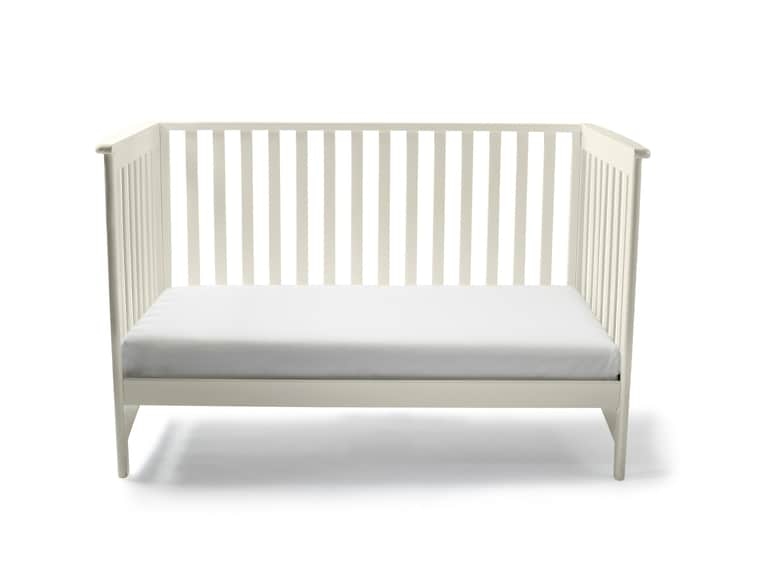
The Naturepedic Lightweight Organic Cotton Crib Mattress combines an organic cotton construction with a design intended to be lighter to handle than some crib mattresses. Lower weight can make routine tasks such as changing sheets or lifting the mattress more manageable. Its crib-focused format makes it relevant to nursery sleep arrangements.
When evaluating a crib mattress, check its dimensions against the crib and consult the product information for construction, care guidance, and any stated material standards. A suitable fit and correctly prepared sleep surface are important practical considerations. Keep the sleep area arranged according to current infant safe-sleep guidance and avoid unnecessary soft bedding.
Nursery bedding includes items such as fitted sheets and, for older children, pillows selected according to age and guidance from caregivers or health professionals. Organic mattresses, cotton materials, and latex are useful terms when learning about product composition, but they do not replace careful review of specifications. These details help clarify each item’s purpose within the nursery.
 Nursery