Understanding Natural Latex Mattresses: Comfort, Durability, and Care
An editorial guide for readers in Washington state and Washington, D.C. exploring the science, certification, and practical aspects of natural latex mattresses. This piece emphasizes non-commercial, evidence-based insights to help you compare options thoughtfully, right where you live.
When you think of a mattress, what comes to mind isn’t just a surface to lie on. It’s a foundation for rest, recovery, and daily energy. Among the diverse materials filling today’s sleep landscape, natural latex stands out for its combination of responsiveness, durability, and a tactile feel that many sleepers describe as buoyant yet supportive. This article dives into what “natural latex” actually means, how it differs from synthetic alternatives, what to look for in certifications, and how climate and regional living conditions—like those you’ll encounter in Washington—can influence comfort and care.
What is natural latex, and how does it differ from synthetic options?
Natural latex is derived from the sap of rubber trees, primarily Hevea brasiliensis. It’s processed into latex mattresses using either Dunlop or Talalay production methods, which influence texture, bounce, and contouring. In contrast, synthetic latex is manufactured from petrochemical sources and often blended with other materials to mimic the feel of natural latex. The differences aren’t just about origin; they shape everyday experiences in the bedroom.
- Responsiveness and bounce: Natural latex typically offers buoyant responsiveness that helps sleepers move with less sink-in than some memory-foam options. Dunlop latex tends to be denser and firmer at the base, delivering a more supportive core, while Talalay latex is commonly lighter and airier with a more consistent feel across the sleep surface. For combination sleepers who switch positions, that balance between support and quick recovery matters.
- Pressure relief: Latex provides targeted contouring without excessive sinking. This makes natural latex a popular choice for people who want pressure relief at joints like the hips and shoulders, while maintaining a responsive top layer for ease of movement.
- Temperature and breathability: Latex’s natural structure creates air channels that can promote airflow. Some latex products are blended with other materials, but natural latex alone can feel cooler than some dense foams, particularly when paired with breathable covers and appropriate bedding fabrics. For readers in Washington’s varied climate—from damp winters to warm summers—this breathability can translate into year-round comfort, especially when matched with a well-ventilated sleep environment.
- Durability and longevity: High-quality natural latex is known for durability, often outlasting many foam alternatives. A longer lifespan can mean fewer replacements over time and a more stable investment in your sleep health, which is particularly relevant to renters and homeowners alike who value long-term comfort.
Certifications, safety, and sustainability: what to look for
When evaluating a latex mattress, certifications aren’t mere formalities—they’re signals about material provenance, indoor air quality, and manufacturing ethics. For sleepers prioritizing health and sustainability, knowing what each label means helps you compare options with confidence rather than relying on marketing alone.
- GOTS and OEKO-TEX certifications: In the context of latex mattresses, these labels relate to the safety of textiles and the absence of harmful substances in the fabric coverings, as well as the overall product’s textile components. A cover labeled with a reputable textile certification offers reassurance about chemical exposures from the surface you touch every night.
- Certifications for natural latex: Look for labels indicating the latex content’s origin and processing standards. Independent certification programs may specify the share of natural latex and the absence of synthetic additives in key layers. If a product highlights recycled or sustainably sourced rubber, that can also reflect a broader environmental approach in the manufacturing chain.
- GREENGUARD Gold or comparable indoor air quality credentials: These indicate efforts to minimize volatile organic compounds (VOCs) and other emissions, contributing to a healthier bedroom environment—an important consideration given Washington’s varied humidity and seasonal differences.
Beyond certifications, a transparent materials description matters. A reputable latex mattress should clearly outline whether the core is 100% natural latex or a blend, the type of latex (Dunlop vs. Talalay) used in each layer, and the composition of the cover. For readers in climates with a wider range of humidity, knowing whether the cover uses breathable natural fibers (like cotton or wool blends) can influence comfort and moisture management over time.
Practical considerations for Washington residents
Regionally specific factors can shape how a latex mattress feels and functions in your bedroom. Here are practical considerations to guide your decision, with attention to climate, housing, and daily living in the Washington area.
- Climate and humidity: Washington's climate zones range from coastal dampness to inland dryness. Natural latex tends to maintain its resilience across a variety of conditions, but the cover and layering can influence moisture management. If you live in a humid coastal area or a dorm room with varying air circulation, choose breathable covers and ensure your bed has adequate airflow to reduce heat and moisture buildup.
- Allergies and sensitivities: Latex itself is a natural material, but some individuals have latex sensitivities. The risk is typically low for the general population, but it’s wise to test a latex mattress in a controlled way, especially if you have a known sensitivity. If you or a household member need to avoid latex altogether, look for 100% natural latex alternatives with a latex-free comfort layer or explore other materials that meet your needs.
- All-season comfort: The temperate yet sometimes fluctuating temperatures in Washington mean many adults appreciate a mattress that remains comfortable without excessive heat buildup in summer or cold spots in winter. Layering with breathable bedding and ensuring your bedroom’s temperature control (thermostat, window treatments, and bedding materials) aligns with your mattress choice enhances year-round sleep quality.
- Maintenance and care in damp environments: Latex mattresses are relatively low-maintenance but benefit from simple care routines. Regular flipping or rotating (if the model supports it) can help distribute wear evenly. Keep room humidity in check and use mattress protectors that are breathable; this helps preserve the mattress's integrity and maintain comfort over time.
Care, maintenance, and optimizing the latex sleep surface
A latex mattress, when properly cared for, can deliver decades of comfortable sleep. Here are practical care tips to help you maximize the life of your natural latex bed, whether you’re in Seattle’s damp climate or a drier inland area of Washington.
- Use a breathable, protective cover: Choose a cover made from natural fibers like cotton or wool blends that allow air to move through the sleep surface. A breathable cover supports temperature regulation and moisture management, two areas where latex performance shines when paired with the right top-layer protection.
- Rotate the mattress periodically: If your latex mattress has a uniform, flat core without zoned support, rotating 180 degrees every few months during the first year—or as recommended by the manufacturer—helps distribute wear evenly and sustain comfort.
- Avoid harsh cleaners on the surface: Routine cleaning should focus on spot-cleaning with mild fabrics or gentle cleaners approved for textiles. Avoid soaking the latex core or exposing it to waterlogged conditions that could compromise the materials and reduce the mattress’s lifespan.
- Ventilation is key: Ensure your bedroom remains well-ventilated, especially during damp seasons. Adequate airflow around the mattress minimizes moisture buildup and helps sustain a fresh sleep environment.
How to assess a natural latex mattress without sales pressure
Choosing a latex mattress should be a thoughtful process, focused on fit, feel, and long-term comfort. Here are criteria to help readers compare options with discernment, avoiding the temptation of aggressive sales tactics or overly broad claims.
- Feel and firmness: Latex mattresses are often described by their feel—firm, medium, or soft. If you sleep on your side and need higher pressure relief at the shoulders and hips, a softer latex surface layered on a supportive core can be appealing. If you’re a back sleeper seeking even support along the spine, a firmer feel may be preferable.
- Layering and core composition: Read about the structure: whether the mattress uses Dunlop, Talalay, or a blend of latex, and how many layers constitute the total height. Understand where the top comfort layer sits and how it interacts with the core beneath. This transparency helps you predict how the mattress will respond to your movements and weight distribution.
- Allergen and sensitivity considerations: If latex exposure is a concern, look for products that emphasize low-VOC finishes and protective covers. Some shoppers opt for blended or synthetic latex alternatives, but if you specifically want natural latex, ensure the product explicitly states the latex content and processing standards.
- Certifications and third-party testing: As with any bedding purchase, independent testing and certifications provide external validation of safety and environmental claims. While latex certifications are not always identical to textile certifications, they still serve as a useful signal of product integrity.
A regional perspective: Washington readers and latex comfort
In Washington, the bedroom environment is shaped by housing options—from urban apartments to suburban homes—and the seasonal rhythm of the Pacific Northwest. A latex mattress that stays cool, breathes well, and resists moisture intrusion can complement a climate where temperatures swing and humidity can spike during wet months. A thoughtful setup includes both mattress choice and an ecosystem of bedding that respects the room’s conditions.
To further inform this regional perspective, consider connecting with local sleep health resources or consumer education groups that discuss sleep science, sleep environment optimization, and safe, non-commercial guidance on sleep quality. The aim is to empower readers with knowledge that stands the test of time and seasonal change alike.
A note on imagery and design for the Washington-mattress content
The site’s identity should reflect a calm, credible, and science-informed voice. Colors like soft blues, muted neutrals, and gentle grays evoke the tranquility of a well-ordered sleep space. Typography should prioritize clarity and readability, supporting long-form guides and practical checklists. Visuals that celebrate regional life—quiet urban bedrooms, sunlit morning windows, and breathable bedding setups—can reinforce the Washington focus without tipping into sales messaging.
Glossary of terms to know
A concise glossary helps readers understand what they encounter in product descriptions and expert articles. Here are some essential terms:
- Dunlop latex: A latex production process generating a denser, more supportive core, commonly used for its durability.
- Talalay latex: A different process that often yields a lighter, more uniform feel with more consistent pressure relief across the surface.
- Certifications: Labels and tests that verify safety, environmental responsibility, and textile quality in covers and layers.
- Core: The main latex block beneath the comfort layer responsible for overall support and bounce.
- Top layer: The upper comfort layer in a multi-layer mattress that defines initial feel and contour for the sleeper.
- Breathability: The ability of the cover and core to allow air to move, aiding temperature regulation.
- VOC: Volatile Organic Compounds; regulated in products for indoor air quality.
Frequently asked questions
Q: Are natural latex mattresses good for allergy sufferers?
A: Natural latex itself is not an allergen for most people, but some individuals can have latex sensitivities. If you have concerns, consult a healthcare professional and consider trial tests or alternatives. Look for breathable covers and certifications that emphasize indoor air quality.
Q: Do latex mattresses sleep hot?
A: Latex tends to be breathable and can promote airflow, especially when paired with breathable fabrics and appropriate room ventilation. The overall sleeping climate also depends on the cover materials and foundation design. If you tend to feel hot, prioritize latex products with air channels, holes, or a cooler cover, and maintain a cool sleeping environment with suitable bedding.
Q: How long does a natural latex mattress last?
A: With proper care, natural latex mattresses can last 15 years or longer, depending on the build quality, layering, and maintenance. This longevity makes latex a strategic long-term investment for those seeking stable comfort.
A practical takeaway for readers in Washington
Natural latex mattresses offer a combination of buoyant support, durability, and breathable comfort that can suit a diverse range of sleepers. When evaluating options, prioritize transparent material descriptions, clear certifications, and a setup that aligns with your regional climate and living situation. The goal is to enjoy a sleep surface that supports restful nights and bright mornings—without the pressure of a sales pitch or uncertain claims.
If you’d like, we can tailor a local-focused comparison checklist, a regional care guide, or a starter glossary specific to Washington readers. This approach keeps information practical, science-based, and free of promotional pressure while helping you navigate the world of natural latex mattresses with confidence.
Related resources and ongoing learning
As you explore natural latex, consider pairing this guide with ongoing sleep science research and credible health information. Regional sleep centers, clinics, and educational programs can provide localized insights that complement these general guidelines, helping you build a holistic sleep plan aligned with your lifestyle and home environment.
Product notes and recommendations
Within this Washington-focused informational space, we prioritize content that is educational and non-commercial. When a product truly fits the article’s topic and adds genuine value to understanding latex mattresses, we may reference it with a direct link to its official product page. For this article, we’ll highlight a representative option that aligns with natural latex education and regional concerns when appropriate.
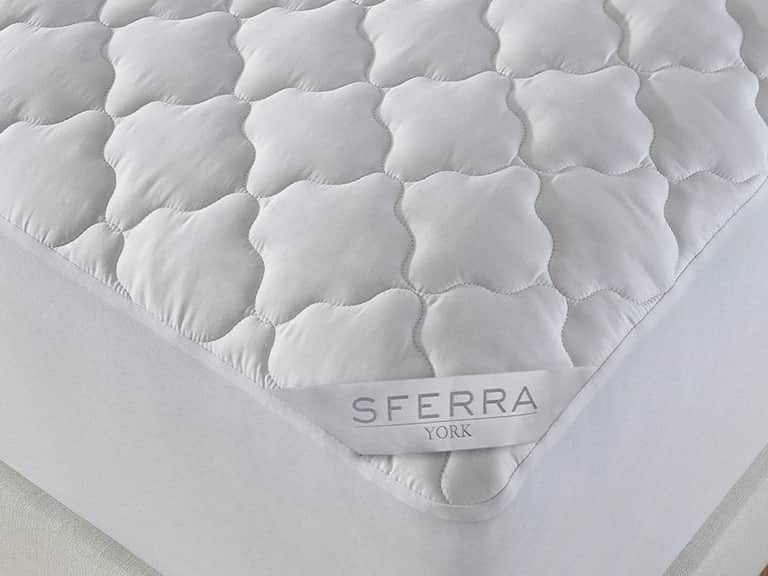
Representative product example (for informational purposes only): York Mattress Pad by Sferra - a luxury down-alternative pad that complements a high-quality sleep surface with breathable, natural-fiber design. This reference serves to illustrate how protective bedding can work in harmony with latex mattresses under a well-ventilated, climate-aware sleep setup. Link: York Mattress Pad.
Note: The article remains focused on education and regional relevance. If there is demand for a deeper dive into regional showroom options, sleep-health partnerships, or a Washington-specific buying guide, we can expand with careful, non-promotional content that continues to emphasize credible information over sales language.
Published in the spirit of informed, regionally aware sleep education for Washington residents, this guide invites readers to approach latex with curiosity, skepticism, and a commitment to lasting comfort.